


Optimize channel profitability and assignment mix for appraisal firms
Channel-specific P&L templates, cost-to-serve models, acceptance thresholds and automated flags for marginal work, with worked examples by channel (AMC, lender, agent).

Expert insights on appraisal best practices, compliance updates, workflow automation tips, client relationship strategies, and industry trends to empower appraisal professionals and firms.
Channel-specific P&L templates, cost-to-serve models, acceptance thresholds and automated flags for marginal work, with worked examples by channel (AMC, lender, agent).
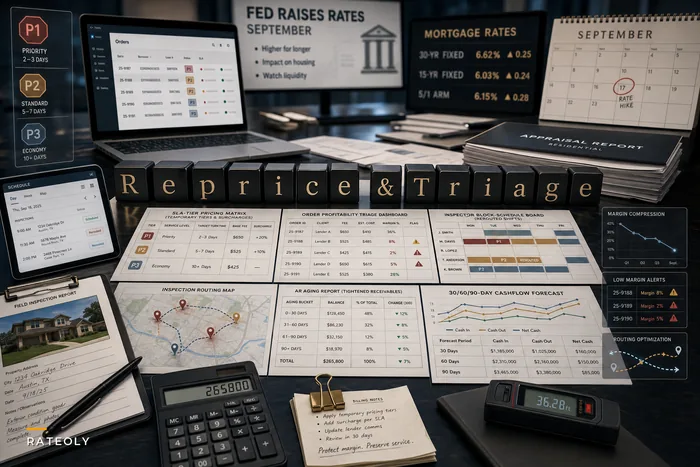
A short, tactical playbook (30/60/90-day checklist) showing how to: rapidly triage incoming orders by profitability and evidence needs; implement SLA‑linked temporary pricing tiers and surcharges; block-schedule and reroute inspections to preserve utilization; tighten AR and cashflow practices; and communicate pricing and SLA changes to lenders/AMCs with defensible language.

Define competency levels, modular calibration labs with case mixes and frequency, KPI-tied promotion/onboarding rules and worked calibration exercises to raise valuation consistency.

Architectural playbook: event taxonomy, SLA gates, automated escalation rules, message-id tracing and concrete orchestration flow examples for intake→field→writing→QC handoffs.
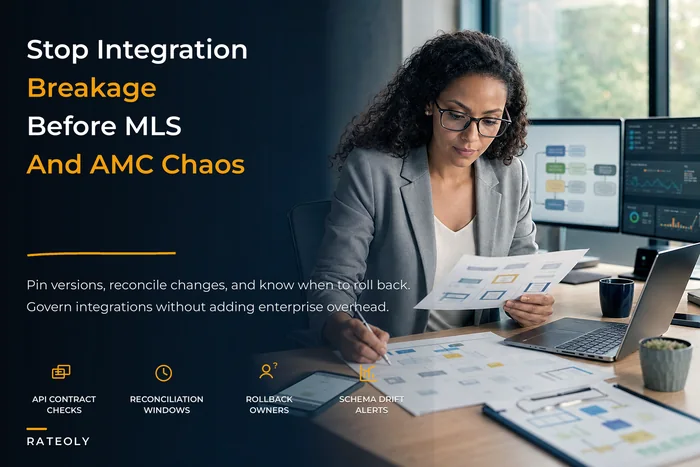
Lightweight governance: API contract checklist, schema/version policy, reconciliation windows, alert thresholds and rollback decision matrices with concrete examples for MLS/AMC integrations.
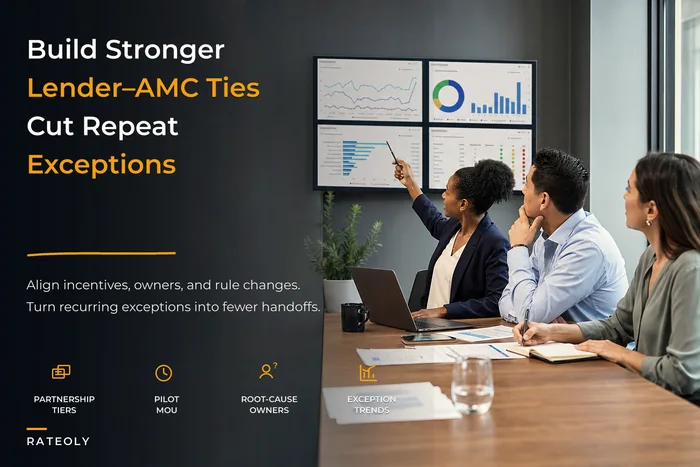
Partnership tiers, joint governance checkpoints, shared KPIs and a template MOU for pilots that explicitly reduce exception volume and operational friction.
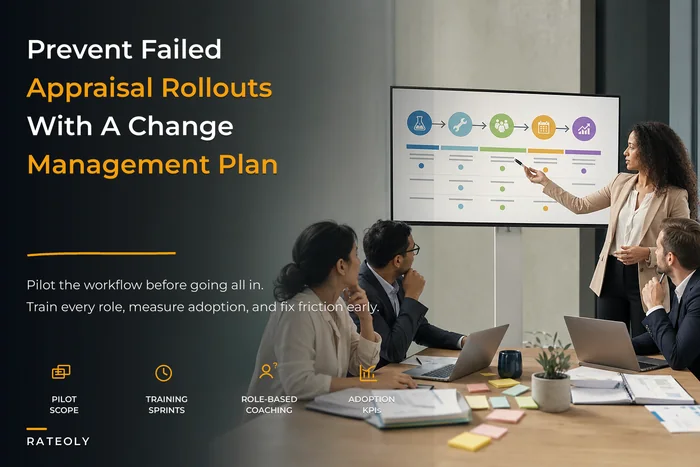
Pilot→rollout staging, role-tuned training sprints, adoption KPIs, remedial coaching templates and communications playbook to prevent failed tool rollouts.

Retention matrix by document class, redaction/minimization rules, legal-hold workflow and privacy-impact checklist for appraisal integrations, plus audit-friendly retention and export templates.

Provenance stamping, exhibit templates, mapping source disclosure rules and reproducible checklists so exhibits are defensible and easily recreated by reviewers.